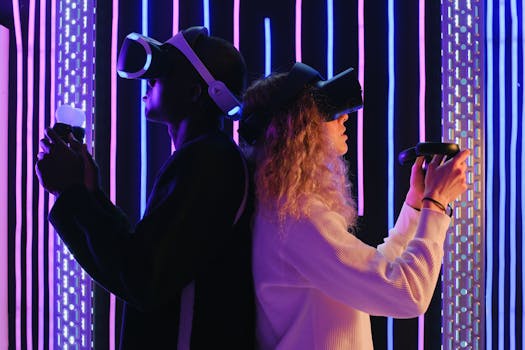
Virtual reality (VR) is set to redefine the online gambling landscape in Canada, potentially offering a game-changing experience for players and operators alike. As technology progresses and player expectations shift towards more interactive and immersive experiences, VR could very well be at the forefront of the next evolution in online casinos.
The Transformation Potential of VR in Online Casinos
- Enhanced Player Experience: VR technology can transform a standard gaming session into an engaging virtual world. Imagine donning a VR headset and being transported to a digitally constructed casino that replicates the vibrant atmosphere of Las Vegas or Monte Carlo. Players could stroll around the casino floor, choose games in real-time, and interact with other players and dealers, all from the comfort of their homes.
- Attracting a New Demographic: The interactive and immersive nature of VR is particularly appealing to the younger, tech-savvy generation. Traditional online platforms may not suffice for players seeking dynamic gaming experiences. VR casinos can bridge this gap, offering high-tech environments that might appeal more to a younger audience.
Challenges to Overcome
.png)
- Technological and Financial Barriers: The adoption of VR technology in online casinos requires significant investment in both hardware and software development. High-quality VR headsets and the development of sophisticated VR casino games can be costly, potentially limiting the speed at which casinos can implement this technology.
- Regulatory Hurdles: The Canadian online gambling scene is regulated on a provincial basis, with each province having its own rules and regulations. Integrating VR technology adds another layer of complexity to compliance, necessitating careful navigation of these regulatory landscapes.
- User Comfort and Accessibility: Ensuring that the VR experience is comfortable and accessible to all users is crucial. Problems like motion sickness and user fatigue need to be addressed to make VR gambling appealing and sustainable for extended play sessions.
Early Adoption and Future Prospects
Some Canadian online casinos are already dipping their toes into VR, setting up prototypes and beta environments to gauge user response and refine their offerings. These pioneers are crucial in setting benchmarks and understanding the practical challenges of VR gambling.
As VR technology becomes more widespread and affordable, and as developers continue to innovate, the scale and scope of VR in online casinos are expected to grow. Collaboration between technology providers, regulators, and casino operators will be key in shaping an environment where VR can thrive.
Conclusion
The integration of VR into the Canadian online gambling sector promises a new era of gaming that is more immersive, interactive, and engaging. While there are significant hurdles to overcome, the potential benefits could redefine player experiences and expand the market. As we look to the future, the intersection of VR technology and online gambling holds exciting possibilities that could well revolutionize the industry. As technology and regulations evolve, it will be intriguing to see how VR shapes the future of online gambling in Canada.